
Why Temperature Testing Matters for Aerospace Electronics

Why Temperature Testing Matters
Temperature testing is one of the most critical steps in ensuring aerospace electronics remain safe and dependable. It may not attract the same attention as structural design or propulsion systems, but without it, the electronic systems that aircraft and spacecraft rely on would carry significantly greater risk. Aerospace hardware must continue operating as it moves from hot ground conditions to freezing altitude, from controlled lab environments to real-world deployment. Every key electronic assembly must demonstrate that it can handle both extremes.
At its core, temperature testing answers a straightforward question: will this device continue to function when its environment changes? Electronic components are sensitive to temperature variation. Excess heat can cause electrical parameters to drift, soften materials, and weaken connections. Extreme cold can shrink materials, alter timing references, and affect startup behavior. In aerospace applications, systems must tolerate both ends of the spectrum, often with rapid transitions between hot and cold conditions, and they must do so reliably over long service lives.
Bringing Real-World Temperature Testing Conditions into the Lab
Consider the operating life of an avionics unit. It may sit overnight in a maintenance facility, warm up significantly while staged on the runway, and then climb into high-altitude air that is well below freezing. Defense and space platforms can see even broader temperature swings. The only practical way to ensure electronics will survive these conditions is to recreate them in a controlled environment before flight. Temperature testing brings those extremes into the lab, allowing engineers to uncover weaknesses on their schedule rather than discovering them in service.
Engineers use several methods to accomplish this. Environmental chambers expose entire systems to controlled hot and cold air, simulating operating environments at the unit level. Thermal platforms and localized temperature forcing systems focus on smaller areas such as circuit boards or individual devices under test. This targeted approach allows faster transitions between temperature setpoints and tighter control at the component level. In all cases, the objective remains the same: cycle hardware through realistic temperature ranges, monitor performance, identify failures or drift, and resolve issues early in development.

Why RF and Microwave Systems Are Especially Sensitive
Temperature plays an especially important role in RF and microwave electronics used in aerospace systems. Radar assemblies, communication links, navigation receivers, and guidance electronics all depend on stable frequency, controlled gain, and low noise performance. As temperature shifts, oscillators can drift, filters can move off center frequency, and amplifier characteristics can change. Even small variations can impact range, link reliability, or signal clarity.
For this reason, aerospace and defense teams frequently combine RF measurements with temperature testing. It is not enough to verify that a system powers on. Performance must remain within specification across the full temperature range. Engineers monitor frequency stability, output power, noise figures, and signal integrity while cycling temperature, ensuring that performance remains consistent under realistic environmental stress.
The Value of the Right Thermal Test Approach
Selecting the appropriate temperature test method depends on the stage of development and the type of hardware involved. Full-system environmental chambers are often used for qualification and validation at the box level. Localized temperature forcing systems provide flexibility during design characterization and troubleshooting, where rapid setpoint changes and direct control at the device under test can accelerate learning.
Both approaches serve important roles. What matters most is that temperature is treated as a core performance variable, not an afterthought. When properly integrated into development and verification cycles, temperature testing helps teams move from assumption to evidence.
Building Reliability into the Development Cycle
In aerospace electronics, temperature testing is not optional and it is not cosmetic. It is part of verifying that a design will perform within specification under real operating conditions. It exposes margin issues, identifies weak components, and validates that systems remain stable across the full thermal range they are expected to encounter.
Whether at the device level or the full system level, applying controlled temperature stress early and often reduces downstream risk. Issues discovered in the lab can be corrected during development, rather than after deployment, where failures become far more costly.
That is why AGNEW supports aerospace and defense teams with a broad range of thermal forcing systems and environmental test chambers. By providing access to both localized temperature solutions and full-system environmental platforms, AGNEW helps organizations select the right level of thermal test capability for their application, lab space, and program requirements.
Temperature testing remains one of the most practical tools available for validating aerospace electronics performance. When treated as a core part of the development process, it strengthens system reliability and supports long-term operational success.

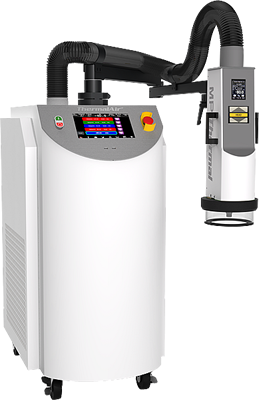
ThermalAir Streams
Temperature Testing Products
MPI Thermal Temperature Forcing ThermalAir Stream System.

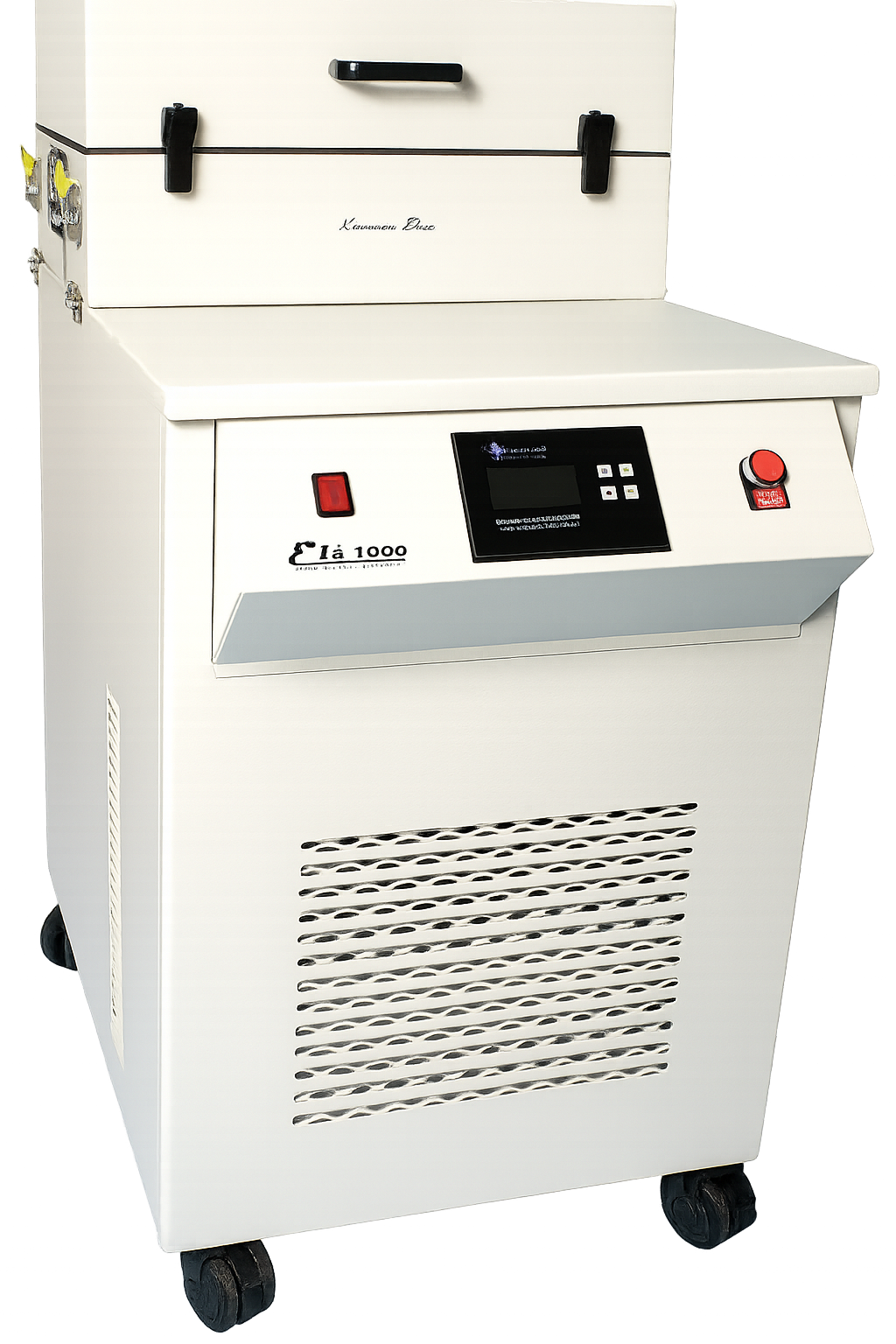
RF Test Chambers
RF Thermal Test Chambers
Khoury Industries Providing Industries With Reliable & Accurate Thermal Testing & Cycling Chambers

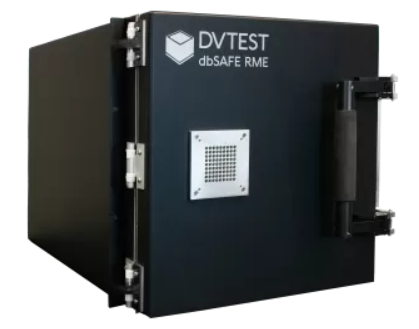
RF Compact Chambers
RF Compact Thermal Chambers
Industry Leading RF Enclosures that Stand the Test of Time and provide the BEST isolation in its class

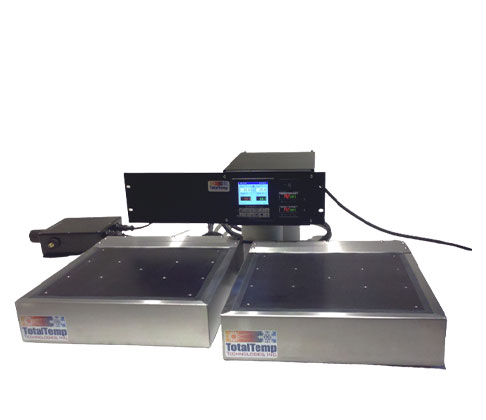
Thermal Platforms
Hot & Cold Temperature Platforms
Products for thermal testing including Space Simulation.